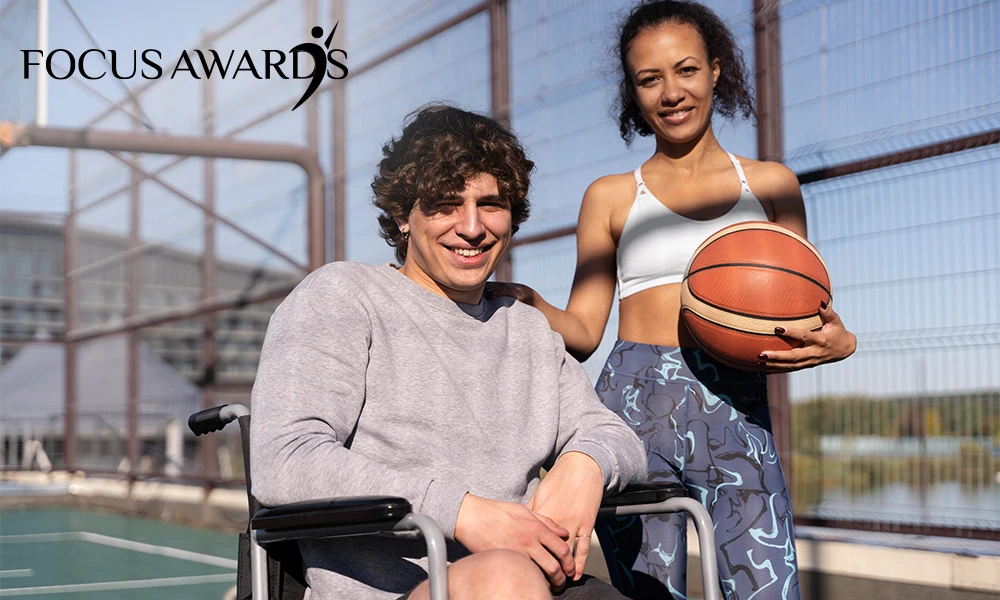
Equality and diversity in the sports sector means making sure that everyone, regardless of background, gender, disability, ethnicity, age, religion or sexual orientation, has fair access to sport and physical activity. This applies both to taking part and to working within the sector. Promoting equality in sport is about removing barriers that prevent under-represented groups from participating, progressing and succeeding. Creating inclusive environments benefits individuals, organisations and the wider sports industry across the UK.
At Focus Awards, we understand the importance of building a more inclusive workforce. Our sports, leisure and recreation qualifications are designed to be accessible to learners from all backgrounds, helping training providers and employers support diversity across the sector.
In this guide, we explain what equality and diversity means in practice within UK sport, explore the key areas where inequality still exists, outline what Sport England’s equality policy aims to achieve, and highlight how education and qualifications can help create a more inclusive sports sector.
What Is Equality and Diversity in Sport?
Equality in sport means making sure that everyone has an equal opportunity to take part and progress — that no one is held back because of who they are. Diversity in sport means actively welcoming and reflecting the wide range of people in UK society, including people from different ethnic backgrounds, disabled people, women and girls, LGBTQ+ individuals, and those from lower socio-economic backgrounds.
Together, equality, diversity and inclusion – often referred to as EDI – form the foundation of a fair and representative sporting system. A truly inclusive sports sector is one where athletes, coaches, officials, and leaders at every level reflect the diversity of the population they serve.
In the UK, sports organisations have a legal responsibility under the Equality Act 2010 to avoid discrimination based on protected characteristics, which include:
- Age
- Disability
- Gender reassignment
- Marriage and civil partnership
- Pregnancy and maternity
- Race and ethnicity
- Religion or belief
- Sex and gender
- Sexual orientation
Beyond the legal requirement, many sports organisations are also expected to meet public sector equality duties and follow governance frameworks, such as the Code for Sports Governance. That set out clear expectations around diversity and inclusion.
Why Is Diversity So Important in Sport?
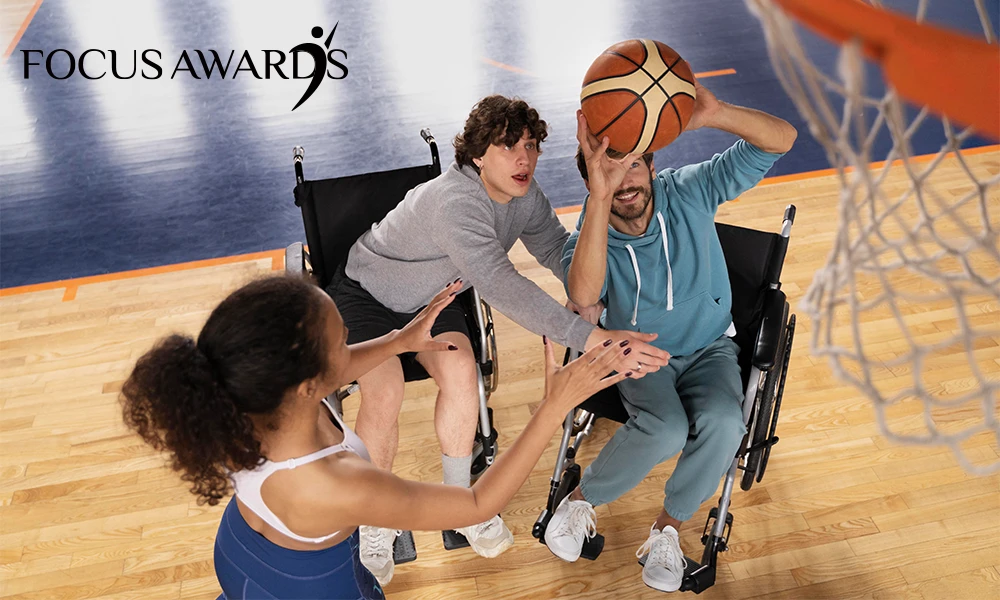
Diversity matters in sport for many reasons and not just because it is the right thing to do. A more diverse sporting workforce is also a more effective one.
When people from diverse backgrounds are involved in sport at every level, as athletes, coaches, administrators, and leaders — the sector benefits from a wider range of perspectives, ideas, and experiences. This leads to better decisions, more innovative programmes, and sport that genuinely reflects and serves the communities it is part of.
On the participation side, diversity and inclusion directly affects how many people feel welcome and able to take part. If young people from minority backgrounds do not see themselves represented in coaching roles or senior leadership, they are less likely to stay involved in sport. Increasing representation at all levels sends a powerful message that sport is for everyone.
The World Economic Forum and multiple UK sports councils have highlighted the link between sports participation and wider social outcomes. Including health, wellbeing, education, and community cohesion. That link only delivers its full potential when sport is truly open to all.
Inequality in Sport: Where the Gaps Still Exist
Despite significant progress in recent years, inequality in sport remains a real challenge in the UK. Some of the key areas where gaps persist include:
Gender Gap in Coaching and Leadership
Women are significantly under-represented in senior coaching roles and leadership positions across the sports sector. While participation levels for women and girls in sport have improved, the gender gap in coaching and management roles remains wide. Equal pay in sport is also an ongoing issue, particularly in professional and semi-professional settings.
Racial Equality
Athletes from Black and minority ethnic backgrounds are well represented in many sports — but that representation does not extend equally to coaching roles, management, or governance. Tackling racial inequality in the sports workforce requires proactive approaches to recruitment, mentoring, and leadership development.
Disability and Inclusion
Disabled people continue to face significant barriers to participation in sport and physical activity. Inclusive sports facilities, adapted programmes, and appropriately trained coaches are all essential to provide equal access for disabled athletes and participants.
Socio-Economic Disadvantage
Access to sport is often shaped by socio-economic background. The cost of equipment, club membership, travel, and training can exclude people from less well-off backgrounds, particularly young people. Sport organisations and training providers have a role to play in removing these financial barriers.
What Does Sport England’s Equality and Diversity Policy Look to Achieve?
Sport England is the national body responsible for building the foundations of an active nation in England. Its equality and diversity policy, developed as part of its wider strategy, sets out four equality objectives that guide how funding, programmes, and partnerships are directed:
- To increase the diversity of the sporting workforce, particularly in coaching and leadership.
- To tackle the specific barriers faced by under-represented groups, including disabled people, women, and those from lower socio-economic backgrounds.
- To ensure that funded organisations meet the Code for Sports Governance requirements around diversity and inclusion.
- To move towards a sporting system that is truly reflective of UK society at every level.
Sport England’s approach, sometimes described as ‘Moving to Inclusion’, places inclusion at the centre of how sport is planned, funded, and delivered. It requires sports organisations to have active diversity and inclusion action plans, not just policies on paper.
Examples of Equality and Diversity in Sport
Understanding what equality and diversity looks like in practice can help coaches, training providers, and sports organisations move from policy to action. Here are some real-world examples:
- Gender equality in sports — women’s football leagues receiving equal funding, media coverage, and development pathways as men’s leagues.
- Disability inclusion — sports clubs offering adapted sessions, accessible facilities, and trained staff who can support disabled participants.
- Talent from diverse backgrounds — coaching development programmes that actively recruit and support coaches from Black, Asian, and minority ethnic backgrounds.
- Inclusive coaching qualifications — training providers ensuring that coaching courses are accessible to people from all backgrounds, including those with disabilities or limited prior experience.
- Senior leadership diversity — governing bodies setting targets for the representation of women and people from minority backgrounds on their boards.
The Role of Training and Education in Promoting Equality and Diversity
One of the most practical ways to promote equality and diversity in the sports sector is through training and education. When coaches, instructors, and sports professionals are properly trained in EDI principles, they are better equipped to create inclusive environments, challenge discrimination, and support athletes and participants from all backgrounds.
Qualifications that cover equality, diversity, and inclusion are relevant across many areas of the sports sector — from fitness instruction and personal training to sports coaching, sports development, and leisure management.
Focus Awards offers a wide range of sports and fitness qualifications that are designed to prepare professionals to work effectively with diverse groups of people. Our sports development qualifications and leisure management qualifications both include content relevant to working in diverse community settings.
For those working specifically with children and young people in sport, our child development and wellbeing qualifications are designed with inclusion and safeguarding at their core.
What Sports Organisations Can Do to Improve EDI
For sports organisations wanting to take a more proactive approach to equality, diversity, and inclusion, here are some practical steps:
- Review and update your policies and procedures to reflect current equality legislation and governance expectations.
- Develop a genuine diversity and inclusion action plan with clear, measurable goals and timelines.
- Invest in training and education for your coaching workforce — including EDI-focused CPD.
- Actively recruit talent from diverse backgrounds for coaching, management, and governance roles.
- Create welcoming and inclusive environments where everyone feels safe and valued.
- Monitor participation levels and workforce demographics so you can identify gaps and measure progress.
Training providers who deliver Focus Awards qualifications can access resources and support through our centre support hub to help them deliver qualifications inclusively and effectively.
Conclusion
Equality and diversity in the sports sector is not just a legal obligation – it is a commitment to making sport genuinely open to everyone. From addressing the gender gap in coaching to tackling racial inequality and improving access for disabled people, the work of building a more inclusive sporting system requires action at every level.
Qualifications, training, and education play a vital role in that process — giving sports professionals the knowledge and skills to promote inclusivity in their everyday practice.
To explore the full range of sports and fitness qualifications available through Focus Awards, visit our sports, leisure and recreation sector page or browse our complete portfolio of qualifications. For any questions, get in touch through our contact page.